When to Repair vs. When to Replace: Our Philosophy on Preserving Your Natural Tooth Structure

Dr. Barry LeJeune
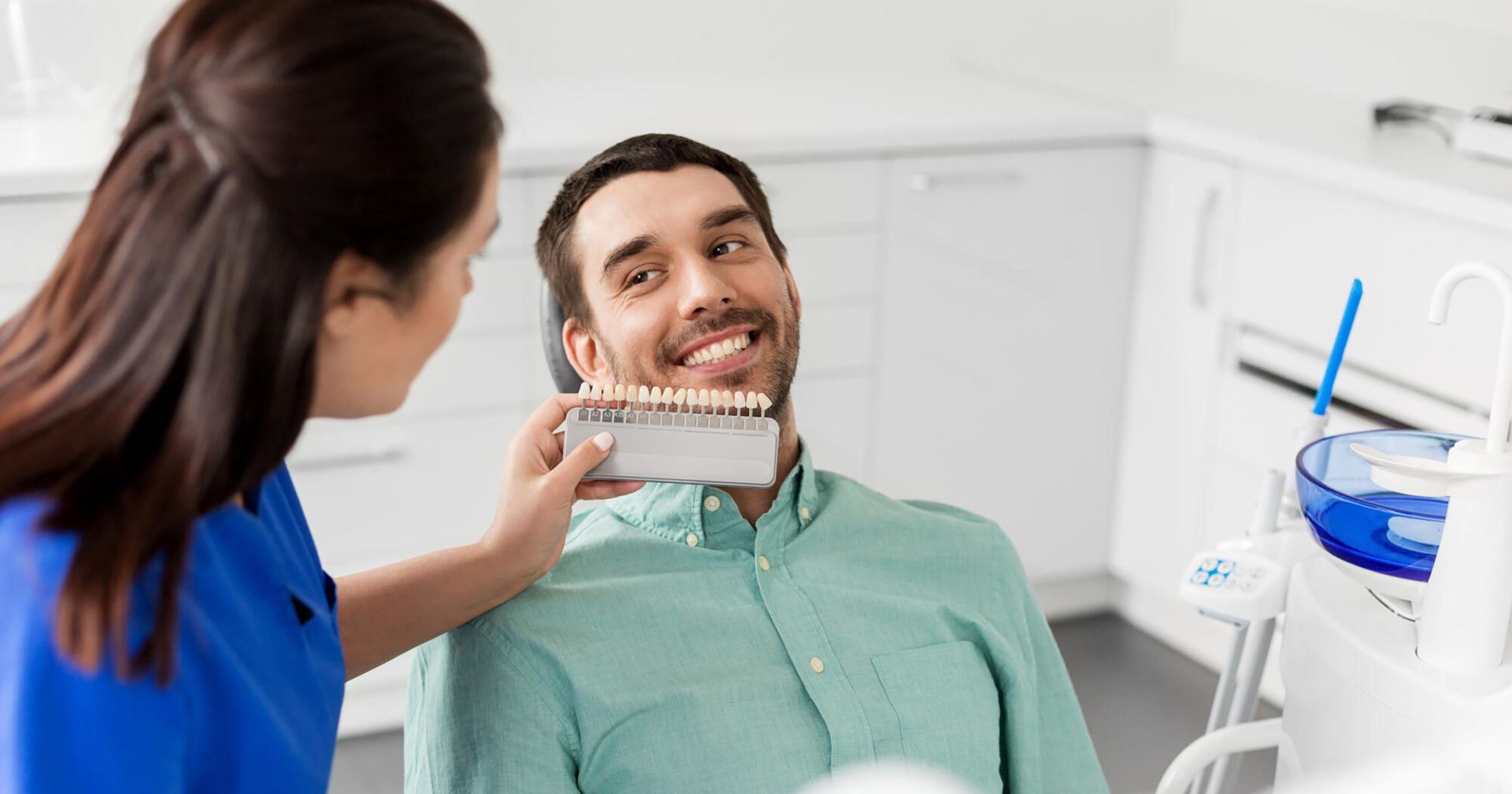
Is your smile getting you down? Explore your options for smile restoration by learning more about our philosophy on natural tooth preservation.
Smile restoration works best when dentists protect as much natural tooth as possible. Repair is usually the first choice when the tooth can be sealed, strengthened, and kept stable. Replacement makes sense when the tooth is too weak to last or when repair would fail.
Twenty-one percent of adults said they avoided dental care due to anxiety, according to Delta Dental's 2025 report. That avoidance can turn small problems into big ones, which often pushes people toward more complex care.
This page explains the repair-versus-replace mindset at LeJeune Family Dentistry. It focuses on preserving healthy tooth structure while still delivering results that look natural and feel strong.
When Should You Repair a Tooth Instead of Replacing It?
Repair is best when the tooth still has enough healthy enamel and dentin to hold a strong seal. The goal is to remove only the damaged part, stop the cause, and protect what is still working.
Repair can also protect the tooth's nerve. When a tooth stays stable and sealed, it is less likely to develop deep infection or long-term sensitivity.
When the Tooth Can Be Sealed Tight
Most dental problems start with a weak seal. Bacteria enter tiny openings, acids soften enamel, and the damage grows slowly over time.
A good repair closes the gap, blocks bacteria, and restores normal chewing pressure so the tooth does not keep cracking.
Small and Medium Cavities
When decay is limited, a dental filling can restore shape and function without removing large amounts of healthy tooth.
This is one of the most common dental restoration techniques because it keeps the tooth's core structure.
When Is Replacement the Smarter Choice?
Replacement is best when the tooth cannot hold a repair for long. If the remaining tooth walls are too thin, the tooth can split under pressure even after a filling.
Replacement can also be the safer option when infection, deep cracks, or repeated failure have already weakened the tooth's foundation.
Deep Cracks and Large Breaks
A crack that runs deep can move when you chew. That movement can break a filling seal, allowing bacteria to reach deeper layers.
When a tooth is breaking apart, a stronger coverage option may be needed to protect it from splitting into pieces.
Crowns Replace Lost Strength
A crown covers the tooth like a fitted cap. It can restore strength when a large part of the tooth is missing or when the tooth has a history of breaking.
To understand when crowns and bridges are used and how they restore bite function, see the crowns and bridges page.
Bridges Replace a Tooth Gap
A bridge can replace a missing tooth by anchoring to nearby teeth. It helps prevent shifting, which can affect bite balance and spacing over time.
Replacing gaps matters because tooth movement can increase cleaning difficulty and raise cavity risk on crowded surfaces.
Preserving Natural Tooth Structure
Preserving tooth structure means removing the least amount of healthy material needed to fix the problem. It also means choosing a plan that reduces repeat drilling, because each repair removes some structure.
Every time a tooth is reworked, the margin for error gets smaller. That is why the best plan is often the one that lasts the longest with the least repeated intervention.
Enamel Is Strong, but It Does Not Grow Back
Enamel is the hardest outer layer of the tooth, but it cannot regenerate. Once it is lost, the tooth relies on restorations for protection.
This is why early care and good sealing matter. Small repairs can prevent large replacements later.
Dentin and the Nerve Set the Limits
Under enamel sits dentin, which is more sensitive and closer to the nerve. When decay or cracks get close to the nerve, pain and infection risk increase.
Planning must consider how much dentin is left. A repair that leaves thin walls may fail even if it looks fine at first.
How Dentists Decide What a Tooth Can Handle
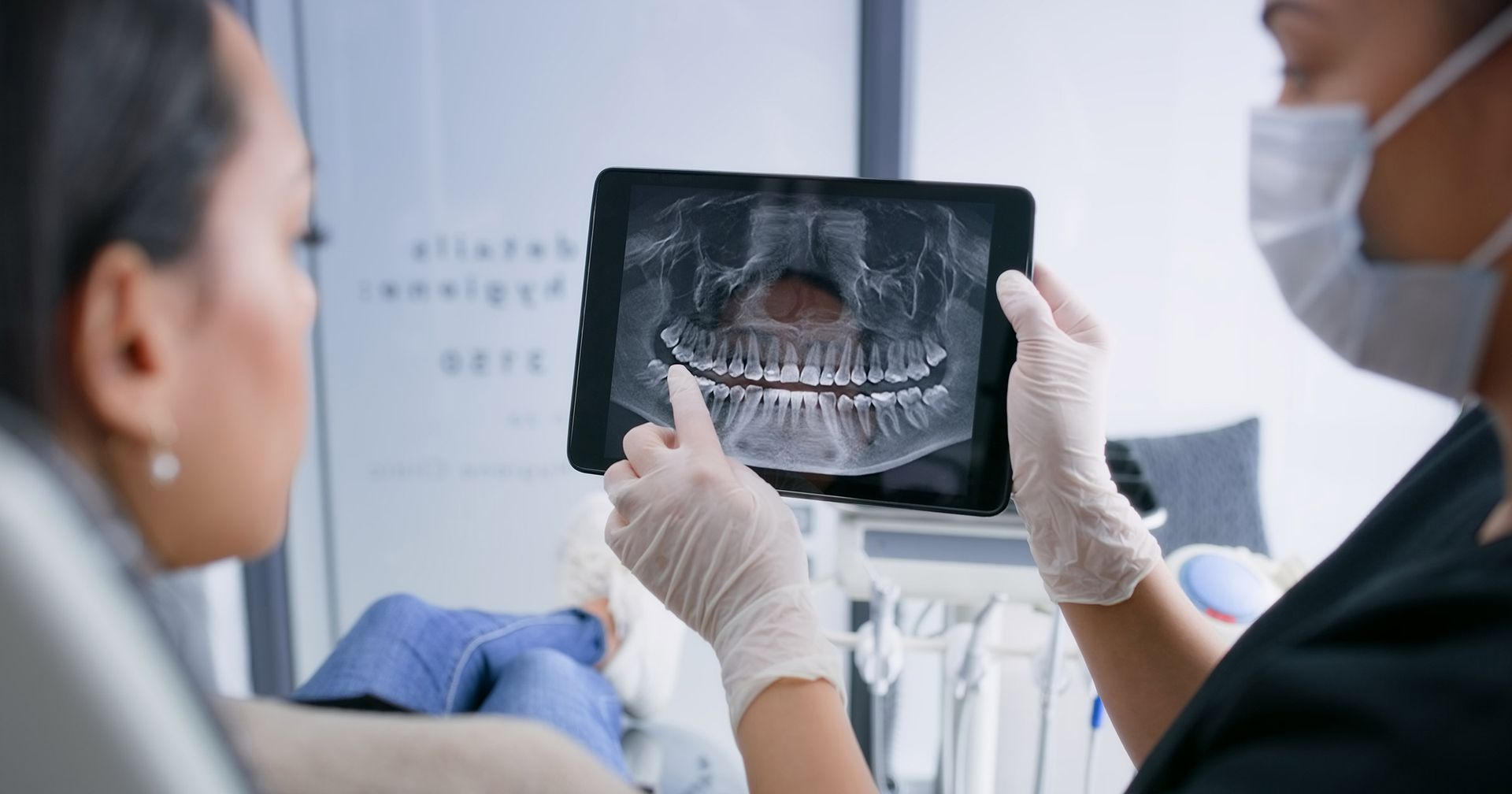
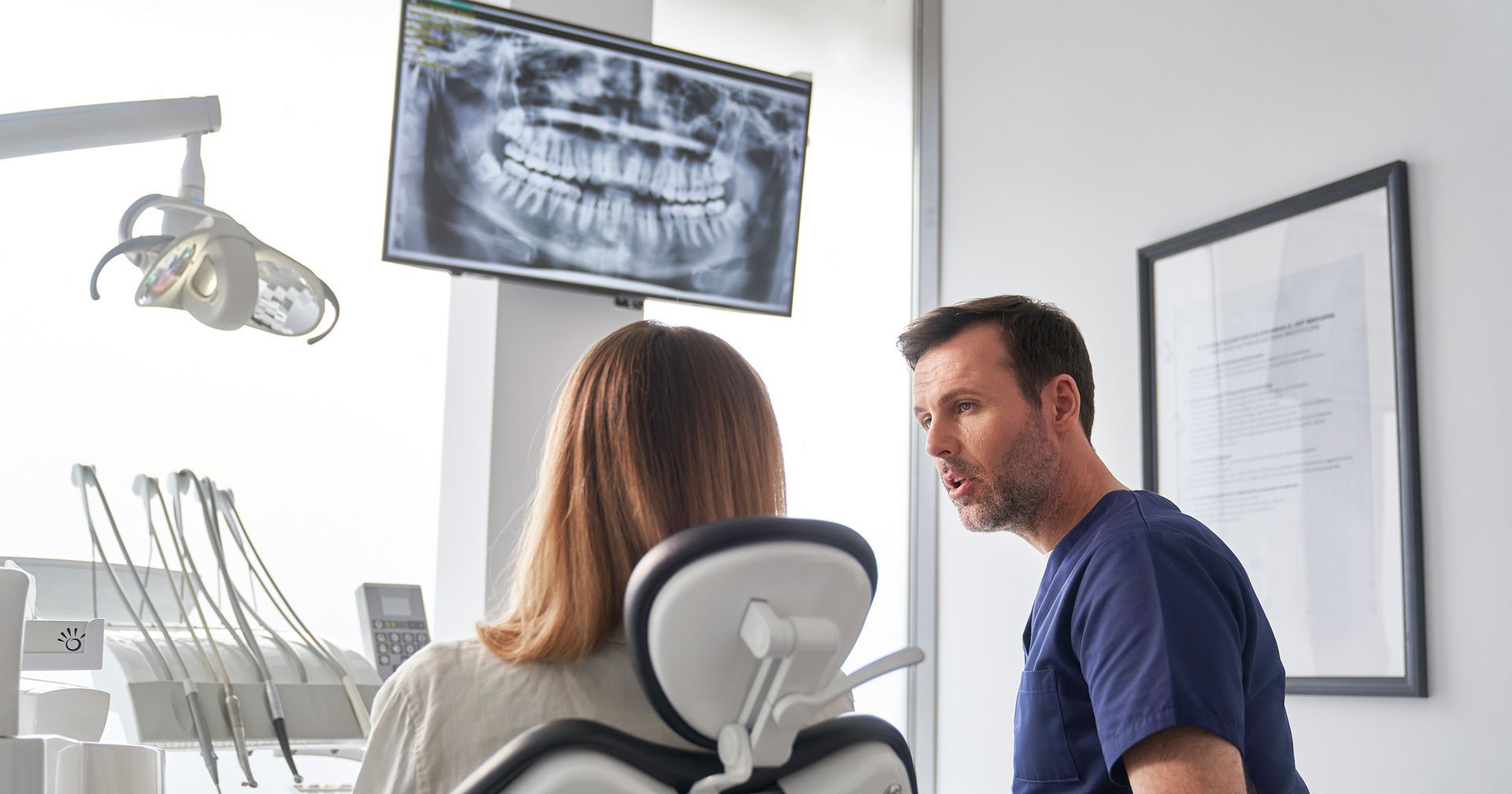
Good decisions are based on structure, stress, and biology. That means looking at what remains, how you use your teeth, and whether bacteria are still active.
It also means looking at your bite. Uneven pressure can break even well-placed restorations over time.
Structure: How Much Healthy Tooth Is Left
An experienced dentist looks at:
- Wall thickness
- Cracks
- Old fillings
- Decay depth
A tooth with strong walls may only need a repair, while a tooth with weak walls may need coverage. The goal is a restoration that does not flex or leak under chewing pressure.
Stress: Grinding, Clenching, and Heavy Bite Forces
Teeth experience repeated force each day, especially on back molars. Grinding and clenching increase that force and can cause tiny fractures to grow.
Force problems can break "perfect" dentistry. Managing bite stress helps repairs and replacements last longer.
Biology: Decay Risk and Gum Health
High cavity risk can come from dry mouth, frequent snacking, and inconsistent brushing. Gum inflammation can also change how stable teeth feel and how easy they are to clean. The better the oral environment, the longer restorations tend to last.
Repair Options That Support Smile Restoration
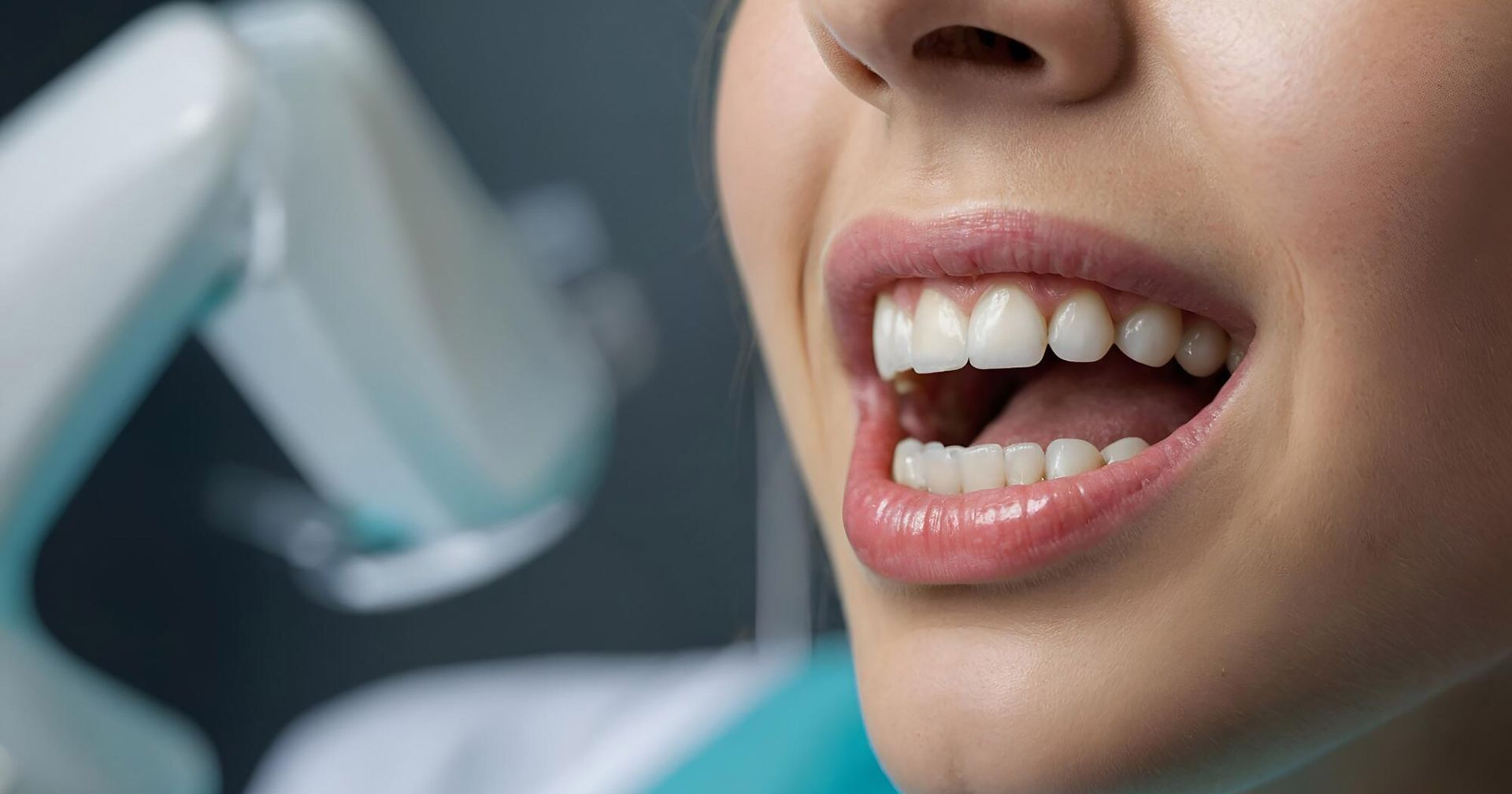
Smile restoration is not just about looks. It is about getting teeth to function well, feel comfortable, and stay easy to keep clean.
Many repairs are conservative. They rebuild only what is needed and protect the tooth from future breakdown.
Bonding for Chips, Edges, and Small Shape Changes
Bonding uses a tooth colored resin to rebuild small areas. It can smooth rough edges, repair small chips, and improve shape without heavy drilling.
Learn where bonding fits and what it can correct on the bonding services page.
Fillings That Match Function and Appearance
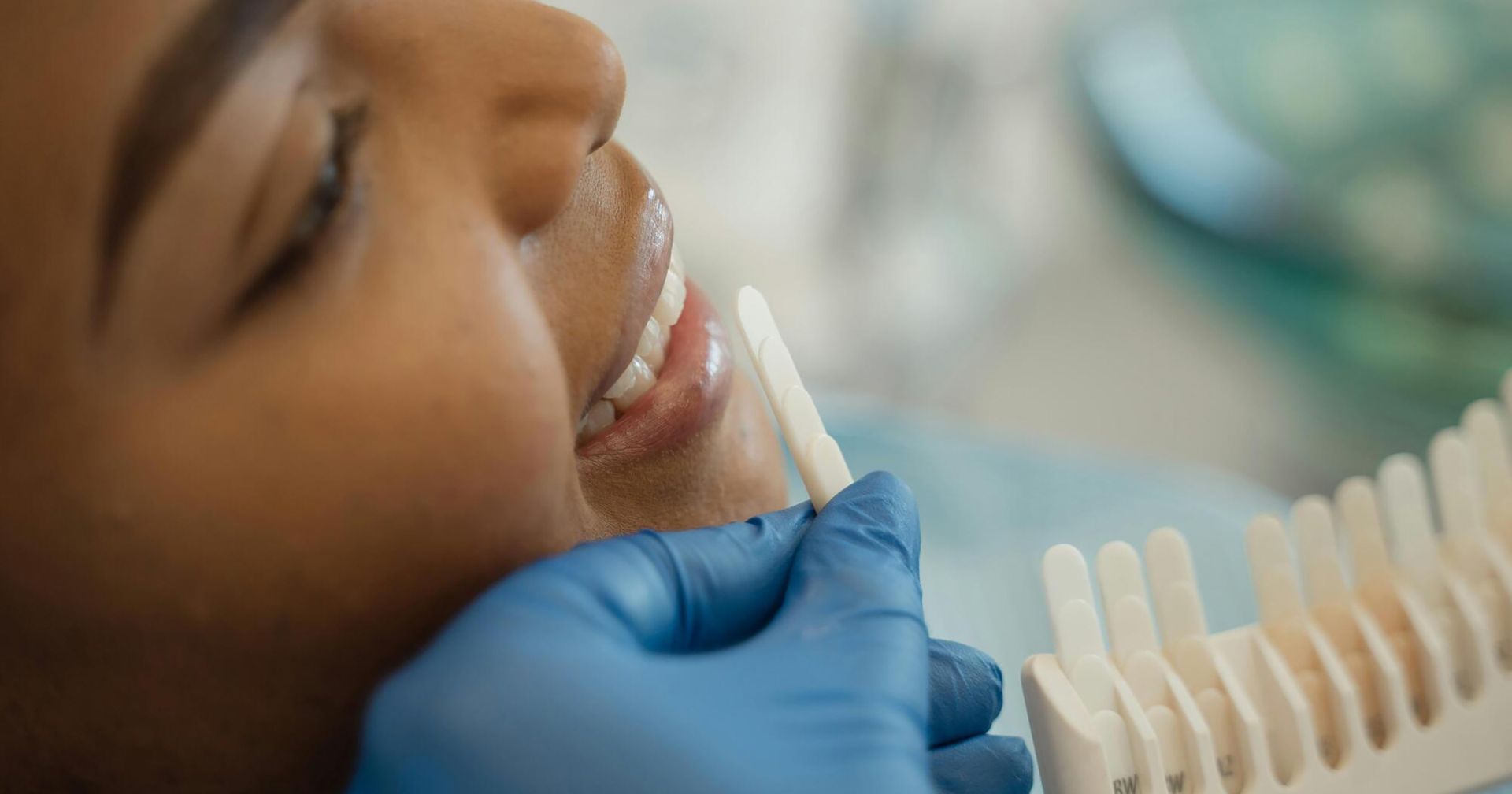
Modern tooth colored fillings bond to the tooth, which can help support remaining enamel. They are also designed to match shade, so the repair looks natural in normal light.
Modern fillings can restore proper contact points between teeth, which helps stop food packing. That reduces inflammation risk and helps daily cleaning feel easier.
If you want a deeper explanation of why cavities form and how fillings stop them, see the cavity guide page.
Same Day Crowns When a Tooth Needs Fast Protection
Some teeth need coverage quickly after a break or after a large section is removed. Same-day crown systems can reduce waiting time, so the tooth is protected sooner.
A faster finish can also reduce the time you spend with a temporary that can loosen or leak.
Replacement Options When the Tooth Cannot Be Saved
Sometimes, preservation is not possible because the tooth is too damaged to support chewing. In those cases, replacing the tooth can protect the rest of your mouth from shifting and bite changes.
Replacing one failing tooth can protect many healthy ones. It can also make cleaning and comfort more predictable.
Root Canal Treatment When Infection Threatens the Tooth
A root canal is used when infection or inflammation reaches the nerve space. The goal is to remove infected tissue, disinfect the inside, and seal the canal system.
To understand symptoms and timing, visit the root canal basics page.
Dentures for Broader Tooth Loss
When multiple teeth are missing, dentures can restore chewing and speech. They can also support facial shape by replacing lost tooth height.
Learn about options and fit considerations on the traditional dentures page.
Dental Implants for Stable Tooth Replacement
Dental implants replace a missing tooth root and can support a crown or bridge. They help reduce bone loss in the missing tooth area by providing stimulation through chewing forces.
As the Oral Health Foundation explains, an implant is a titanium screw placed into the jawbone to replace the root when a tooth fails.
Implants can restore function without relying on neighboring teeth for support. That can be helpful when adjacent teeth are healthy, and you want to avoid reshaping them.
To see how this approach is described for patients, read why implants are considered a leading option.
Don't Trust Online Fixes for Permanent Repairs
Many people see videos about patching a tooth at home. These products cannot remove decay or create a long-term seal, and they can trap bacteria under the patch.
If you are curious why this is risky, read about at-home fillings and why professional care matters.
Frequently Asked Questions
How Long Do Repairs Usually Last Compared to Replacements?
Repairs like small fillings can last many years when the tooth is low risk and the bite is balanced. Their lifespan depends on seal quality, cleaning habits, and whether you grind or clench.
Replacements like crowns often last longer than very large fillings because they protect the tooth from cracks. Implants can also last a long time, but they require careful cleaning around the gumline and regular checkups.
What Are Early Warning Signs That a Tooth Needs Attention?
- Sharp sensitivity to cold
- Pain when biting or chewing
- Rough or chipped edges
- Food packing between teeth
- A dark spot that keeps getting bigger
- A filling that feels loose or has a gap
- A bad taste that comes and goes
- Bleeding gum around one specific tooth
Can a Tooth With a Root Canal Be Repaired?
Yes. A root canal removes infection while keeping the tooth root. A crown is usually placed afterward for strength. This allows the tooth to function normally for many years.
What Role Do Oral Health Tips Play In Preservation?
Daily care habits protect enamel and gums. They slow wear and prevent decay. Good habits extend the life of repairs and restorations.
Repair First, Replace When Needed, Always Protect Smile Restoration
LeJeune Family Dentistry focuses on preserving what is healthy, then rebuilding only what is truly lost. That mindset supports long-term comfort, clearer choices, and results that are easy to maintain across years.
Smile restoration should feel like a plan you can trust. If you want a clear, practical recommendation based on your teeth, your bite, and your goals, book an appointment today.