More Than Cleanings: The Scope of Modern General Dentistry Explained

Dr. Barry LeJeune
Learn about the importance of dental cleanings for maintaining oral health. Discover the process, tips, and benefits for a healthier smile. Schedule now!
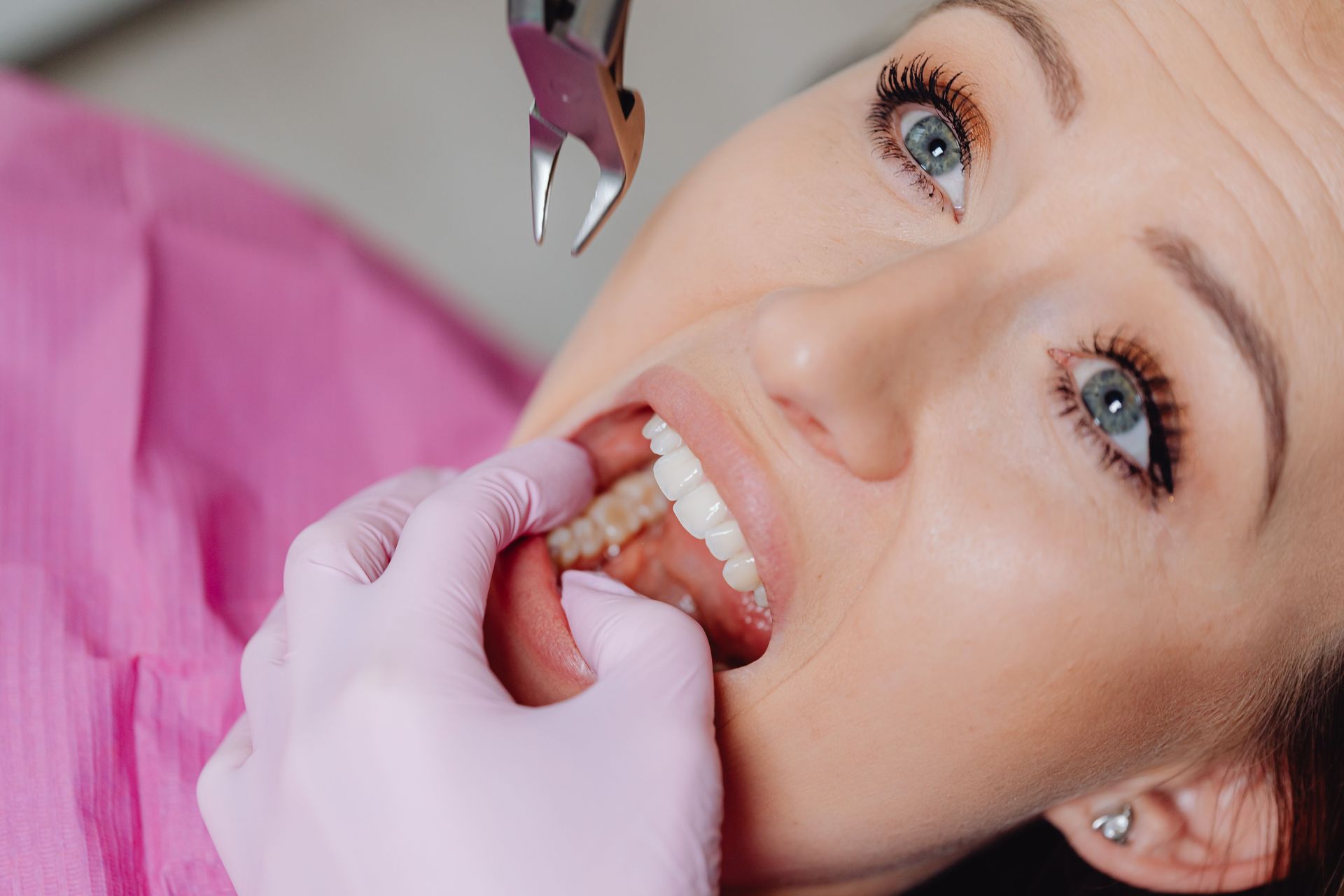
Dental cleanings take the center stage of general dentistry, but it's more than that. It also involves preventive care, diagnostics, and restorative treatments that protect your smile.
Modern general dentistry also includes cosmetic procedures and personalized dental plans tailored to your needs. It focuses on keeping your mouth healthy, not just fixing problems when they appear.
According to the CDC, Americans spend about $136 billion each year on dental care. Most of this money goes toward emergency or reactive treatments after pain begins.
Modern general dentistry aims to change that trend through prevention and early detection. Understanding its full scope helps you strengthen both your oral and overall health.
What Does Modern Dentistry Mean?
Modern dentistry is a comprehensive dental care approach that focuses on:
- Prevention
- Early detection
- Comfort
- Personalized care
- Patient education
It uses advanced tools and careful planning to keep your mouth healthy before issues begin. Unlike older methods that mainly treated pain or damage,
modern dentistry centers on prevention and overall wellness.
Your dentist collaborates with you to protect your smile through consistent care and smart daily habits.
What Are the Main Types of Dental Cleanings?
The main types of dental cleanings include:
- Standard cleaning
- Scaling and root planing
- Deep cleaning
Each type of cleaning works differently and is suited to various oral health needs. Standard cleaning removes plaque and tartar above the gumline. Scaling and root planing clean below the gumline to stop bacterial growth.
Deep cleaning targets hidden buildup and smooths tooth surfaces to reduce future plaque attachment. Consult dental specialists like
LeJeune Family Dentistry to learn more about these dental cleanings. Our team can recommend the right cleaning type for your needs and help keep your mouth healthy.
Understanding Modern General Dentistry Beyond Routine Cleanings
Modern general dentistry covers many areas that work together to protect your smile. Each aspect focuses on prevention, comfort, and overall wellness.
Routine and Preventive Care in General Dentistry
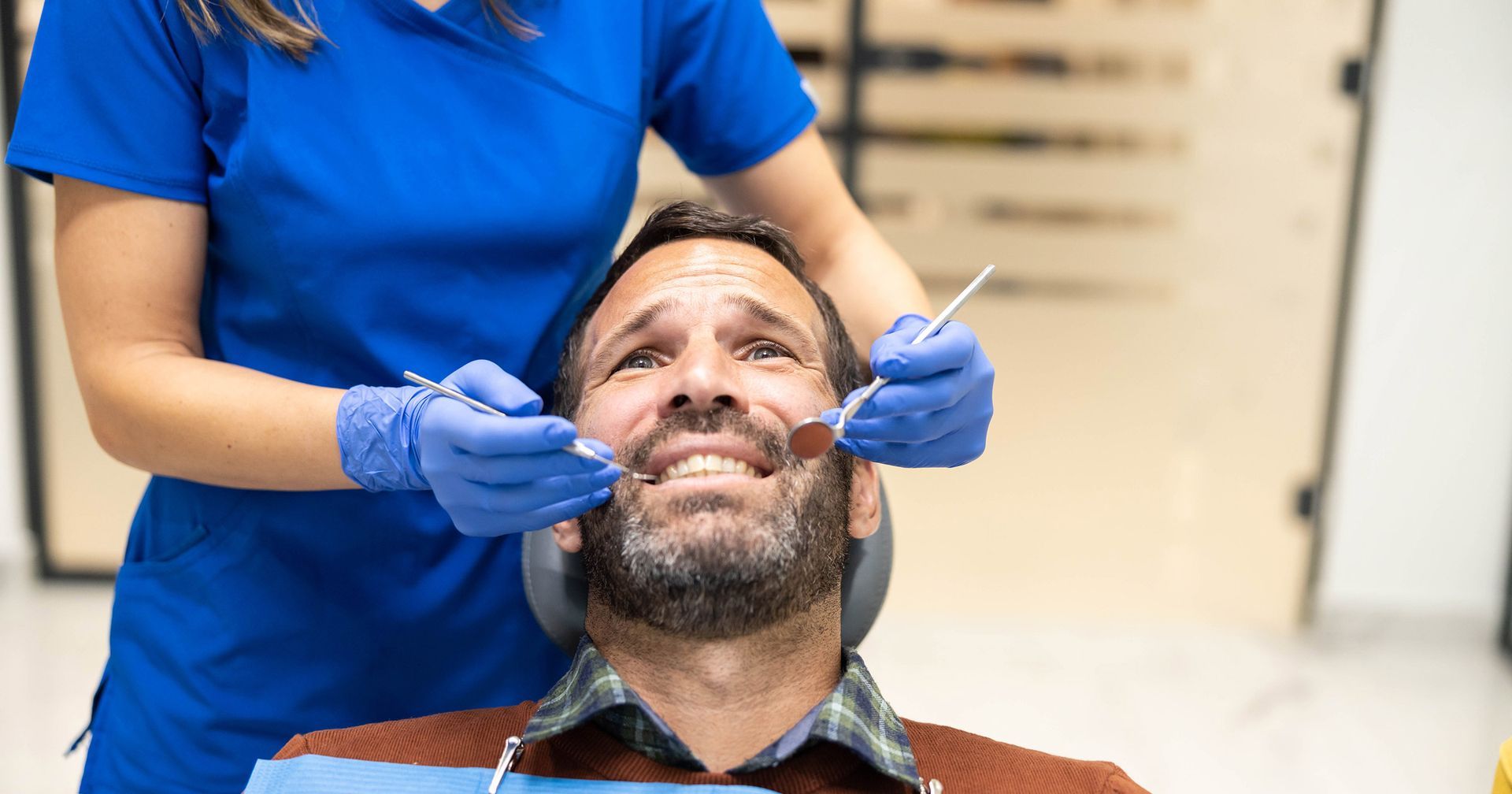
Routine visits enable your dentist to monitor your oral health and identify early warning signs. Regular exams, fluoride applications, and sealants keep decay under control. Prevention saves you discomfort and cost later.
Your dentist will also share helpful oral health tips for better daily care. Key habits that reduce your risk of cavities include:
- Proper brushing
- Flossing
- Limiting sugar
- Using mouthwash
- Drinking plenty of water
Following these habits strengthens your teeth and gums. Consistent daily care builds a foundation for lifelong dental health.
Cosmetic Dentistry Options for a Healthy Smile
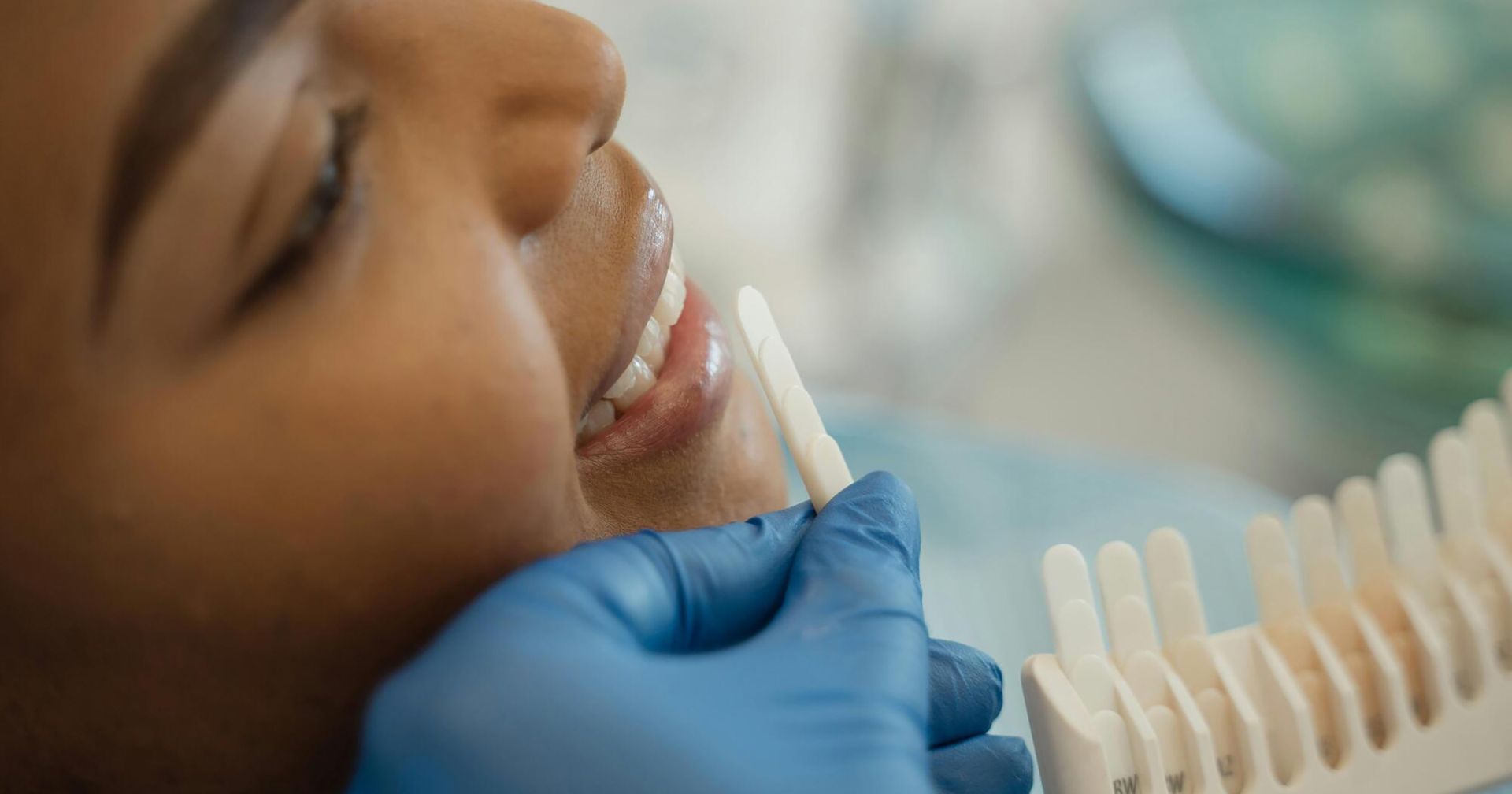
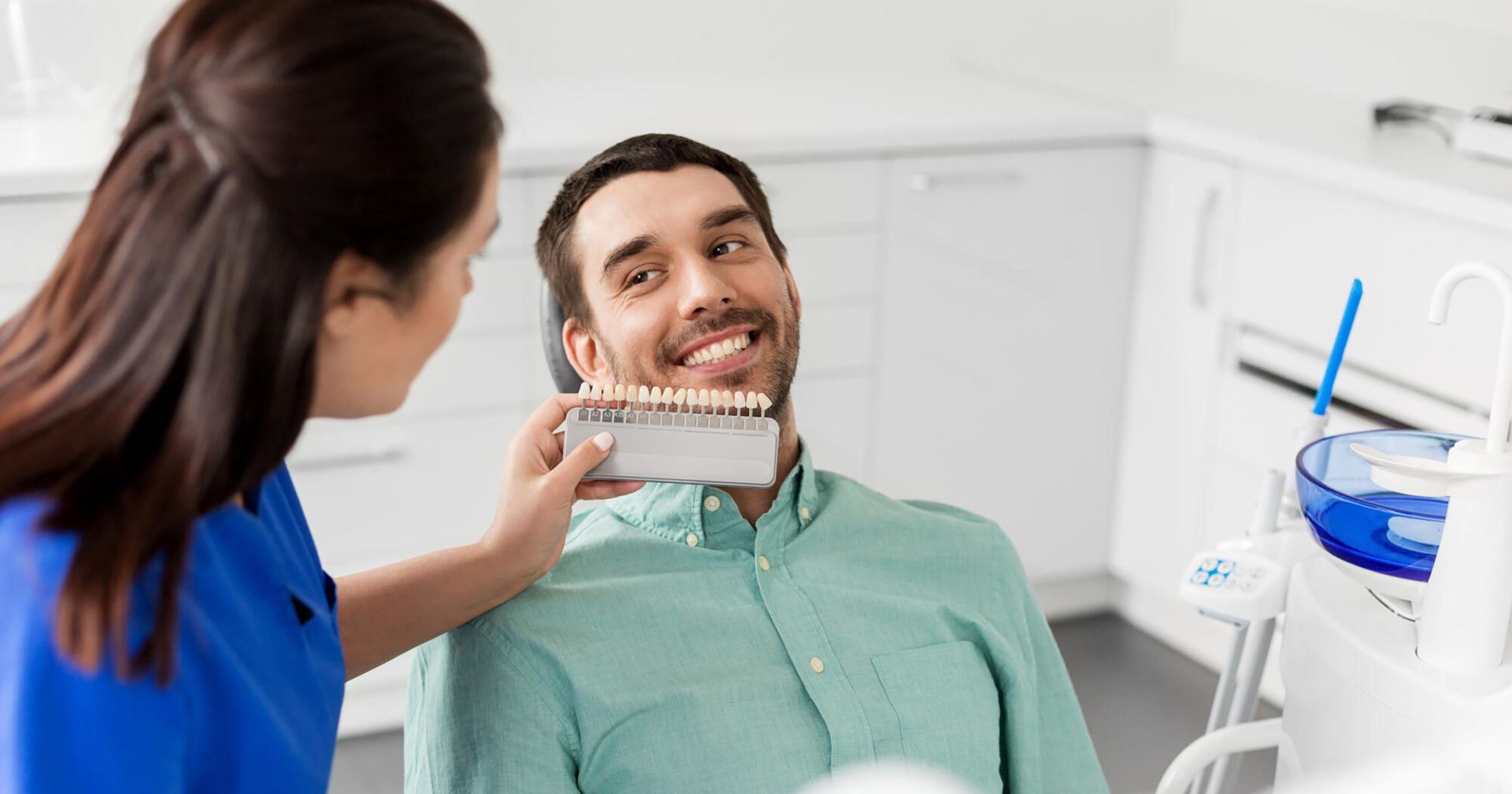
Cosmetic procedures enhance appearance and boost confidence. Whitening brightens stained teeth, and bonding repairs chips or cracks. Veneers reshape your smile, giving it a natural, balanced look.
Healthy gums and clean teeth are essential for achieving great results. A strong dental hygiene routine supports cosmetic success by keeping stains and plaque away. Cosmetic dentistry shows that health and beauty work best together for long-lasting results.
Diagnostic Services: X-Rays, Exams, and Early Detection
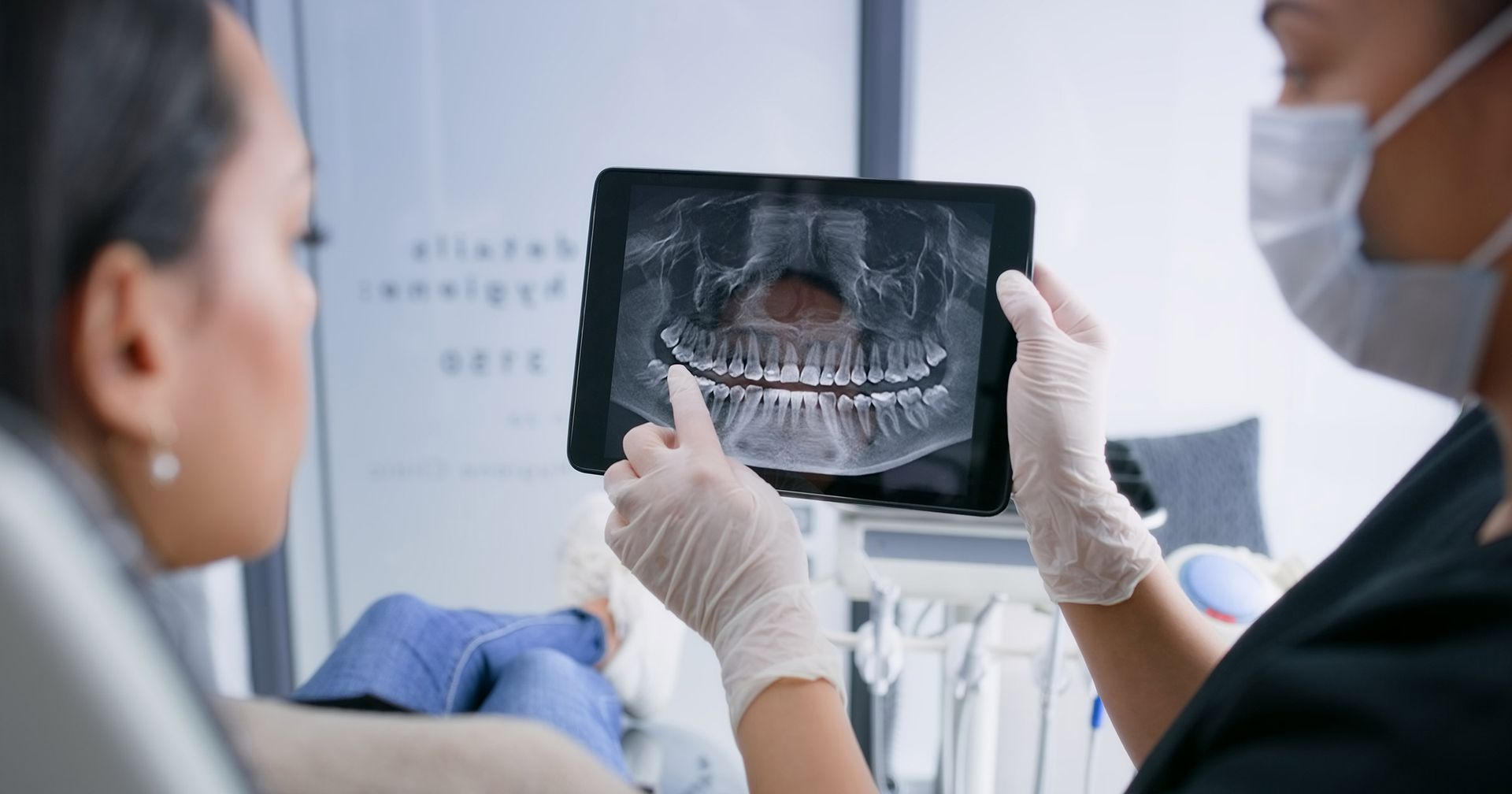
Dentists use diagnostic tools to see what the eyes can't. Oral exams and digital X-rays reveal:
- Hidden decay
- Infections
- Bone loss
- Gum inflammation
- Misalignment
- Signs of oral cancer
Early detection stops small problems from becoming serious. Accurate diagnostics guide precise treatment and reduce invasive procedures. Regular exams and X-rays are essential for preventive dental care, protecting your teeth and gums for long-term health.
Restorative Treatments: Fillings, Crowns, and Bridges
When decay or damage occurs, restorative care brings function back to your teeth. Fillings repair small cavities, while crowns strengthen weakened enamel. Bridges replace missing teeth, restoring your ability to chew and smile confidently.
Restorative dentistry also offers plaque removal benefits, as it stops bacteria from spreading into deeper layers. By sealing damaged areas, you protect your remaining natural teeth and preserve healthy tissue. Quick treatment prevents more costly or painful problems later.
Patient Education and Personalized Dental Plans
Each patient's dental needs are different, so personalized plans guide you toward lasting results. Before creating your treatment schedule, your dentist reviews:
- Habits
- Diet
- Oral condition
- Medical history
- Lifestyle factors
This approach ensures care that meets your specific needs and goals. Education then helps you make informed choices about nutrition, brushing, and
daily habits. Regular visits and open communication strengthen the partnership that keeps your smile healthy and confident.
Frequently Asked Questions
How Often Should Adults Schedule Dental Cleanings for the Best Oral Health Results?
Most adults should schedule dental cleanings every six months for the best results. Regular dental visits remove plaque and tartar that brushing can't reach.
People with gum issues or higher cavity risk may need more frequent visits. Regular cleanings prevent decay, freshen breath, and promote long-term oral health and confidence.
What Types of Materials Are Used in Modern Fillings and Crowns?
Modern fillings and crowns use durable, natural-looking materials, including:
- Composite resin
- Porcelain
- Ceramic
- Gold or metal alloys
Each material offers different strengths, aesthetics, and longevity. Your dentist recommends the best choice based on tooth location, bite pressure, and budget.
Are There Non-Invasive Options for Improving Tooth Color or Alignment?
Yes, modern dentistry provides several non-invasive cosmetic treatments to enhance your smile. Professional whitening safely brightens teeth without harming enamel. Clear aligners gradually correct minor alignment issues without using metal braces.
Dental bonding repairs chips, cracks, or gaps in just one visit. Other options, like enamel reshaping or contouring, subtly improve tooth appearance.
How Does Personalized Dental Care Help Prevent Recurring Oral Problems?
Personalized dental care targets your specific habits, diet, and health risks. Your dentist creates a plan tailored to your lifestyle and needs. Regular adjustments ensure treatments remain effective over time.
The approach prevents repeat issues like cavities or gum irritation. Individualized care builds
lasting oral health through prevention, not reaction.
Dental Cleanings and Essential Oral Care Tips
Regular dental cleanings protect your teeth, gums, and overall oral health. They remove plaque, tartar, and bacteria that brushing alone cannot reach. Modern general dentistry combines cleanings with preventive care, diagnostics, and personalized treatment to keep your smile healthy and strong.
At LeJeune Family Dentistry in Hampton, Virginia, we have proudly served our community for 26 years. We focus on excellent care and building lasting relationships with every patient.
Take advantage of our $129 New Patient Special.
Contact us today to experience personalized care and maintain a healthy, confident smile.