Beyond Brushing: The Definitive Guide to a Lifetime Cavity-Free

Dr. Barry LeJeune
Explore ways to stay cavity-free beyond brushing. Our guide delivers exclusive expert tips for a lifetime without cavities.
Preventing cavities takes more than brushing twice a day. Long-term protection comes from combining smart brushing habits like the 3-3-3 rule, daily flossing, balanced nutrition, fluoride exposure, and regular professional dental care. Together, these oral hygiene strategies form the foundation of lifetime dental health and dramatically reduce the risk of tooth decay.
Why do cavities remain so common even among people who brush regularly? The answer lies in the many factors that influence tooth decay, including diet, bacteria, saliva, and daily habits. Today, we're taking a closer look at the dental care essentials and expert-backed tips for preventing cavities that go beyond brushing alone.
What Is the 3-3-3 Rule for Teeth?
Daily brushing habits play a large role in preventing cavities, yet many people rush through the process or brush at the wrong times. The 3-3-3 rule offers a simple way to improve brushing routines and support stronger teeth over time.
- Brush three times daily.
- Spend three minutes brushing
- Wait thirty minutes after meals before brushing
Brush Three Times Daily
Brushing three times each day helps remove plaque before bacteria produce acids that damage enamel. Morning brushing clears overnight bacteria. Brushing after lunch helps control buildup from food and drinks.
Night brushing protects teeth during sleep, when saliva flow slows down. A steady routine forms the base of strong oral hygiene strategies and better protection from cavities.
Spend Three Minutes Brushing
Many people brush for less than one minute. That short time often misses plaque along the gumline and between teeth.
A full three minutes gives enough time to clean every surface of the teeth. Gentle circular motions work best. Careful brushing supports the dental care essentials that help protect enamel.
Wait Thirty Minutes After Meals Before Brushing
Food and drinks create acids that soften enamel for a short time. Brushing right after eating can spread those acids across the tooth surface.
Waiting about thirty minutes allows saliva to neutralize acid and begin natural repair. Timing brushing in this way supports smarter preventing cavities tips and long-term comprehensive dental care.
Understanding How Cavities Develop
Cavities form through a gradual process that affects the outer layer of the teeth. Many people think tooth decay appears suddenly, yet the damage builds over time through repeated exposure to bacteria and acids. Learning how cavities develop helps people make better choices that support lifetime dental health.
- Plaque bacteria and sugar interaction
- Acid attacks on tooth enamel
- Natural repair through saliva
Plaque Bacteria and Sugar Interaction
The mouth contains many types of bacteria. Some of these bacteria feed on sugars and starches from food. When bacteria digest those sugars, they release acids as a waste product.
Those acids collect inside dental plaque, a sticky film that forms on teeth every day. Frequent snacks and sugary drinks give bacteria a steady fuel source. Plaque grows thicker and holds acids against the tooth surface.
Acid Attacks on Tooth Enamel
Enamel acts as the protective outer layer of each tooth. Acid from plaque begins to dissolve minerals in that enamel. Small weak spots may appear during repeated acid attacks.
Over time, those weak spots can turn into small holes, which dentists identify as cavities. Poor brushing habits and high sugar intake increase that risk.
Natural Repair Through Saliva
The body has its own repair system that works throughout the day. Saliva helps rinse away food particles and neutralize acid.
It carries minerals like calcium and phosphate that strengthen enamel again. Balanced habits support this repair cycle.
Good comprehensive dental care and consistent dental care essentials help keep that natural balance strong.
Daily Oral Hygiene Strategies That Go Beyond Brushing
Brushing helps clean the surfaces of teeth, yet it cannot reach every area where plaque collects. Many people brush well but still develop cavities over time. A broader routine that includes several oral hygiene strategies supports stronger teeth and better long-term protection.
- Flossing between teeth
- Using mouthwash effectively
- Cleaning the tongue and replacing tools regularly
Flossing Between Teeth
Floss removes plaque and food particles from spaces that a toothbrush cannot reach. Those narrow areas often hold bacteria that lead to cavities and gum problems.
Daily flossing breaks up plaque before it hardens into tartar. A gentle motion works best.
Slide the floss along each side of the tooth and near the gumline. Consistent flossing forms one of the most useful dental care essentials for keeping teeth healthy.
Using Mouthwash Effectively
Mouthwash supports brushing and flossing by reducing bacteria and strengthening enamel. Fluoride rinses help protect against cavities by reinforcing tooth minerals.
Antibacterial rinses lower the number of harmful bacteria in the mouth. Swishing for about thirty seconds allows the rinse to reach areas that brushing may miss.
Cleaning the Tongue and Replacing Tools Regularly
The tongue holds bacteria that contribute to plaque and odor. A tongue scraper or soft toothbrush can remove that buildup in a few gentle strokes. Toothbrush care matters as well.
Worn bristles clean poorly and may spread bacteria. Dentists often suggest replacing a toothbrush every three to four months. These habits support comprehensive dental care and reinforce daily preventing cavities tips that protect lifetime dental health.
Professional Dental Care and Preventive Treatments
Daily habits form the base of healthy teeth, yet professional care plays an equal role in long-term protection. Dentists use tools and treatments that go beyond what home routines can achieve. Regular visits support comprehensive dental care and help protect lifetime dental health.
- Regular dental checkups and cleanings
- Preventive treatments such as sealants and fluoride
- Early detection of tooth decay
Regular Dental Checkups and Cleanings
Professional dental cleanings remove plaque and tartar that brushing and flossing may leave behind. Tartar forms when plaque hardens on the teeth.
Once tartar appears, a toothbrush cannot remove it. Dental professionals use specialized tools to clean those deposits.
Regular checkups give dentists a chance to review brushing habits and recommend better dental care essentials for each patient.
Preventive Treatments Such as Sealants and Fluoride
Dentists offer several treatments that help reduce the risk of cavities. Dental sealants protect the deep grooves on the chewing surfaces of molars.
Those grooves often trap food and bacteria. A sealant creates a thin barrier that blocks plaque from settling into those areas. Fluoride treatments strengthen enamel and help repair early mineral loss.
Early Detection of Tooth Decay
Routine dental exams allow dentists to identify small problems before they become larger ones. Early cavities may not cause pain at first.
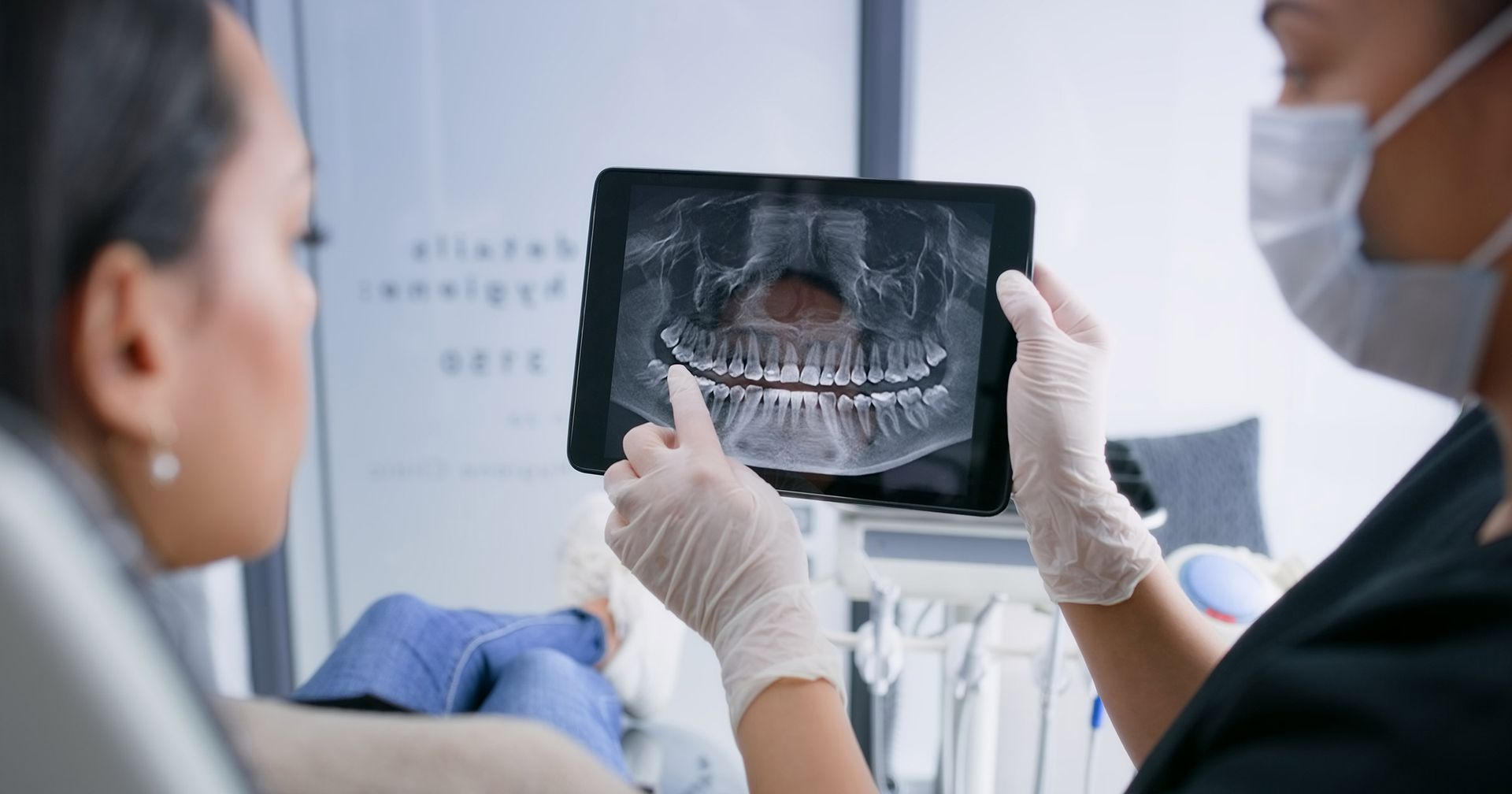
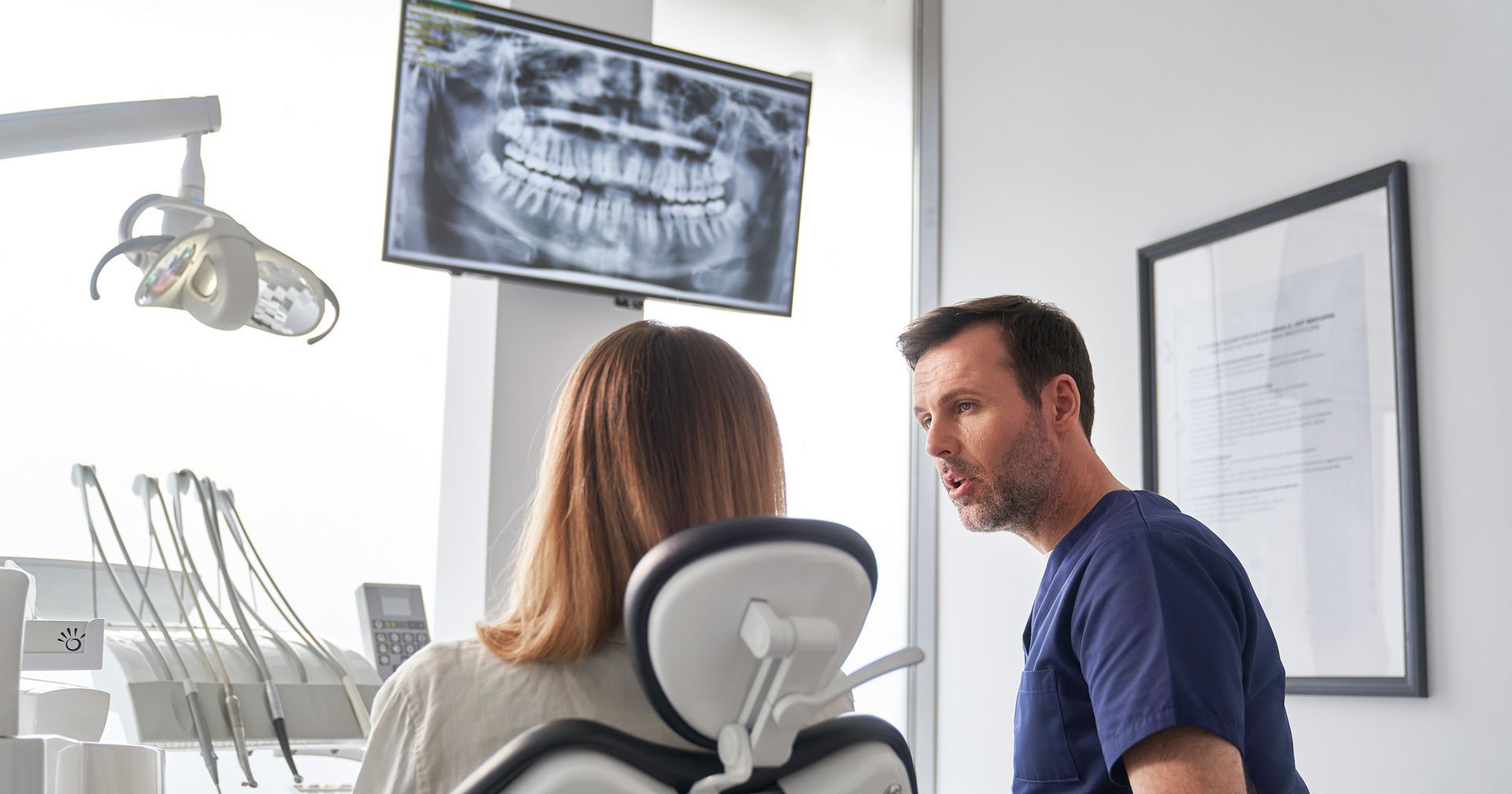
Dental X-rays and visual exams help detect hidden decay between teeth or beneath old fillings. Early treatment protects tooth structure and supports strong preventing cavities tips that last for many years.
Frequently Asked Questions
Can Cavities Heal on Their Own?
Early tooth damage may repair itself under the right conditions. When enamel loses minerals during an acid attack, the process is called demineralization.
Saliva can replace some of those lost minerals through a process known as remineralization. Fluoride from toothpaste or drinking water supports that repair by helping enamel absorb minerals more effectively.
A small area of weakened enamel may strengthen again when good habits are in place. Regular brushing, flossing, and balanced nutrition help the tooth rebuild lost minerals.
Once a cavity forms a physical hole in the tooth, natural repair cannot fill that space. Dental treatment becomes necessary at that stage. Dentists remove the decayed area and place a filling to restore the tooth structure.
Are Some People Naturally More Prone to Cavities?
Some individuals develop cavities more easily than others. Genetics can influence enamel strength and tooth shape.
Deep grooves in molars can trap plaque and food particles more easily than smoother surfaces. Saliva also plays a large role in oral health.
People with thicker or more protective saliva often have stronger natural defense against bacteria and acid. The oral microbiome matters as well. Each person carries different bacteria in the mouth.
Some bacteria produce more acid when they digest sugars. Strong oral hygiene strategies help control harmful bacteria and support healthier conditions inside the mouth.
Does Drinking Water After Meals Help Prevent Cavities?
Drinking water after meals can help lower the risk of cavities. Water rinses away small food particles that remain in the mouth after eating.
It helps dilute acids that form when bacteria break down sugars. A quick rinse with water supports several preventing cavities tips used by dental professionals.
Fluoridated water offers added protection. Fluoride strengthens enamel by helping teeth absorb minerals from saliva.
Many communities in the United States provide fluoridated tap water as part of public health programs. Regular hydration supports healthy saliva production, which forms a natural defense against tooth decay.
Dental Care Essentials
Strong daily habits, balanced nutrition, and regular dental visits work together to protect teeth from cavities over time.
At LeJeune Family Dentistry in Hampton, VA, we focus on exceptional care and genuine relationships with every patient. Our team combines clinical expertise with a warm, welcoming approach to create a positive experience at each visit. Dr. Barry LeJeune places strong emphasis on patient education and preventive care, helping families of all ages maintain healthy teeth and gums while reducing the need for future dental treatment.
Get in touch today to find out how we can help
with your dental health!