Conquering Dental Anxiety: A Step-by-Step Guide to a Stress-Free Visit

Dr. Barry LeJeune
Overcome dental anxiety effortlessly with our step-by-step guide. Discover calm and comfort during your dental visits. Start your journey to stress-free care!
Overcoming dental anxiety starts by understanding its causes and choosing a dentist experienced with anxious patients.
Relief also comes from simple steps like a relaxed meet-and-greet visit and clear boundary setting early. Calm routines before appointments, modern painless technology, and mindfulness techniques further support a stress-free visit.
A post by News Medical, citing a study in the Journal of the American Dental Association, reveals that nearly three in four adults are afraid of dental visits.
As one of these people, anxiety can push you to delay or skip important dental care. Learning practical ways to manage fear helps you regain control, protect oral health, and approach each visit with confidence rather than dread.
Is It Normal to Have Dental Anxiety?
Dental anxiety affects people across all ages, backgrounds, and oral health histories. Fear often forms after:
- Painful memories
- Unexpected discomfort
- Feeling rushed during past appointments
- Lack of clear explanations
- Loss of control
Anxiety does not mean weakness or poor coping skills. It reflects a protective response learned over time.
Recognizing anxiety as common helps reduce shame and opens the door to solutions. When fear feels normalized, taking action becomes less intimidating and more manageable.
What Is the Most Feared Dental Procedure?
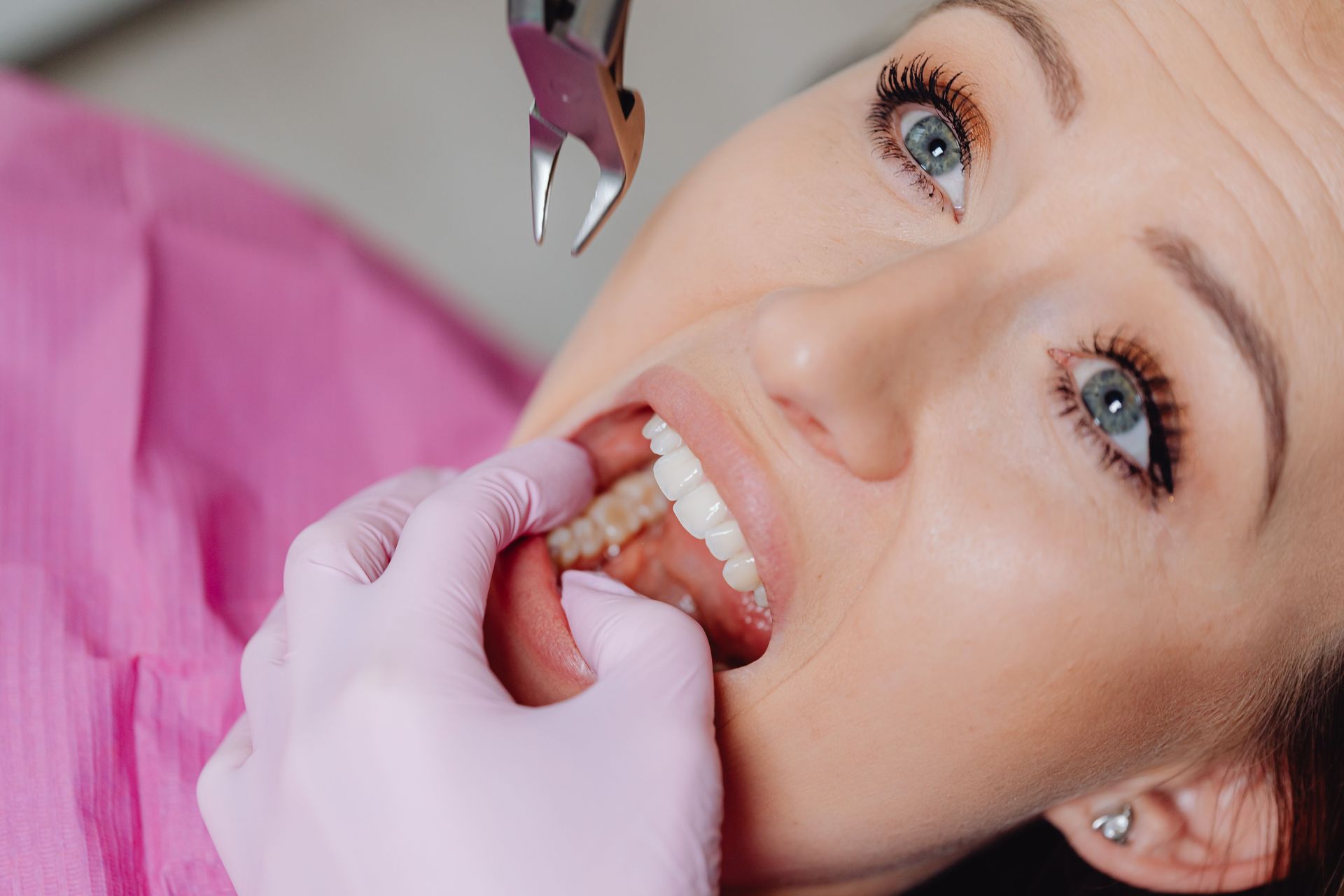
Tooth extractions and root canals often rank among the most feared procedures. Fear usually relates more to anticipation than actual discomfort. Stories from others, outdated experiences, and online misinformation amplify worry.
Sounds, pressure sensations, and imagined pain heighten fear responses. Modern dentistry reduces discomfort through improved numbing techniques and precise tools.
Understanding how procedures work often reduces fear significantly. Knowledge replaces imagination with facts. When expectations become realistic, anxiety loses much of its power and intensity.
Can Dentists Tell If You Have Anxiety?
Dentists often notice signs of anxiety before you say a word. Clear physical signals often appear first, including:
- Tense posture
- Shallow breathing
- Clenched hands
- Rapid speech
- Restless movement
- Avoiding eye contact
Some patients cancel frequently or delay scheduling for long periods. Dentists trained in patient-centered care recognize these patterns fast. Many adjust their approach once anxiety becomes apparent.
When anxiety remains unspoken, dentists may move too quickly or miss comfort cues. Sharing concerns early allows the dental team to support you more effectively throughout the visit.
Steps to Overcome Dental Anxiety for a Stress-Free Visit
Dental visits can feel overwhelming when fear controls the experience. The secret lies in creating a clear, personal plan for each appointment.
Breaking the process into small steps transforms uncertainty into predictability. Each phase focuses on restoring control and comfort.
Understanding the Roots of Dental Anxiety
Dental anxiety often begins with early experiences involving:
- Pain
- Confusion
- Lack of explanation
- Overly fast procedures
- Unfriendly staff
Childhood visits without clear communication leave lasting impressions. Embarrassment about oral health may also contribute to avoidance. Identifying specific triggers helps you respond intentionally rather than react emotionally.
Fear tied to sounds differs from fear linked to needles or judgment. Understanding your triggers supports overcoming dental fear through awareness rather than avoidance. Once triggers become clear, solutions feel more targeted and effective.
Choosing the Right Dentist for Anxious Patients
A supportive dentist prioritizes:
- Comfort
- Transparency
- Patient pacing
- Clear communication
- Respect for boundaries
You can find such a dentist at LeJeune Family Dentistry in Hampton, Virginia. Our team understands dental anxiety and strives to create a welcoming environment.
We focus on listening carefully, answering questions, and adjusting treatment to your comfort level. Building trust helps you feel in control and confident. A good match lays the foundation for a stress-free dental experience rooted in partnership and patience.
The Power of "The Meet and Greet" Appointment
A meet-and-greet visit allows you to build familiarity without treatment pressure. You:
- Tour the dental office
- Meet staff
- Discuss concerns openly
- Observe the environment
- Ask questions
The meet-and-greet offers an opportunity to discuss fears in a safe setting and provides space for establishing clear boundaries. Sitting in the chair briefly helps desensitize anxiety.
Familiarity reduces fear by removing unknowns. Confidence grows when the environment feels predictable. Many anxious patients find this step transformative and empowering before scheduling treatment.
Pre-Visit Rituals to Calm Your Nervous System
Calming routines before appointments prepare your body and mind. Slow breathing exercises reduce heart rate and muscle tension. Listening to music during travel sets a relaxed tone.
Avoid rushing or scheduling stressful tasks beforehand, and arriving early prevents added pressure. Effective dental visit preparation transforms the visit from a threat into a planned event. Rituals signal safety and stability to your nervous system.
Modern Tech: How Painless Dentistry Has Changed
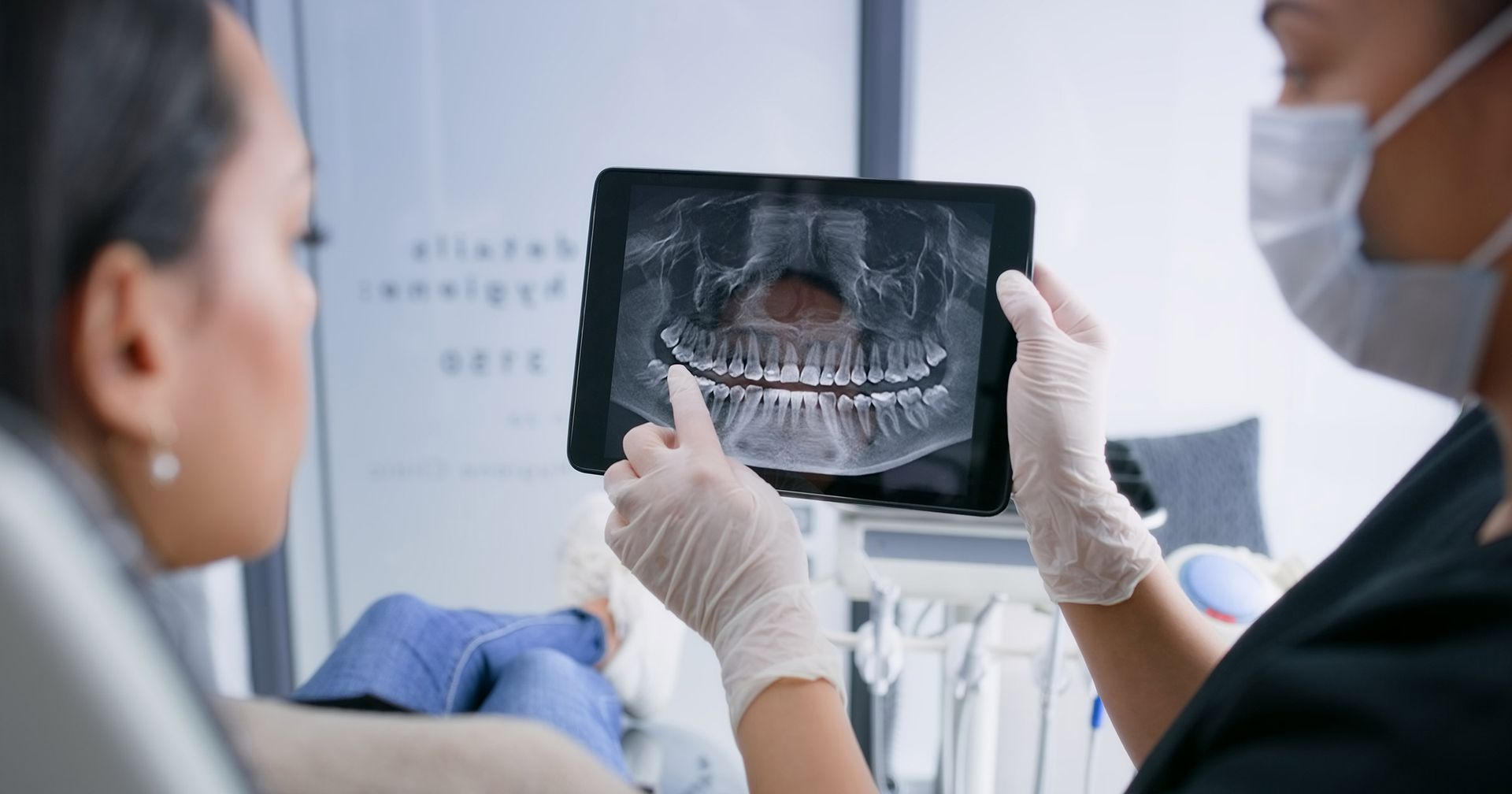
Dental technology now emphasizes precision and comfort. Improved anesthetics numb areas faster and last longer. Digital imaging reduces invasive probing and shortens visits.
Quieter tools lessen sensory overload. Laser dentistry minimizes tissue trauma for certain procedures. These advances reduce discomfort and uncertainty.
Knowing technology supports comfort eases fear before treatment even begins. Modern dental care focuses on efficiency without sacrificing patient experience.
Understanding Your Sedation and Numbing Options
Pain control options vary based on:
- Comfort needs
- Procedures
- Anxiety levels
- Treatment duration
- Previous experiences
Topical gels reduce needle sensation during numbing. Local anesthesia blocks pain effectively throughout treatment. Nitrous oxide provides relaxation without full sedation.
Oral medications help some patients feel calmer during longer visits. Discussing options ahead of time builds reassurance as choice reinforces autonomy and comfort. Knowing relief exists often reduces anxiety even without using sedation.
Mindfulness and Breathing Techniques for the Chair
Mindfulness helps keep attention anchored in the present moment, reducing mental rumination. Slow nasal breathing lowers heart rate and physical stress responses. Counting breaths, listening to music, or visualizing calm scenes redirects focus from fear.
Grounding techniques encourage awareness of sensations such as:
- Chair support
- Hand placement
- Foot contact with the floor
- Breathing movements
- Texture of dental bib
These strategies aid in calming dental nerves during treatment. Staying present prevents anxiety from escalating into panic. Mindfulness transforms waiting periods into manageable moments, allowing you to approach each dental visit with greater control, focus, and confidence.
After-Care and Celebrating Small Successes
Recovery continues after leaving the office, so reflect on positive moments and successful coping strategies. Acknowledge progress regardless of size or speed.
Reward yourself with a relaxing activity after appointments, as positive reinforcement strengthens confidence for future visits. Each success weakens anxiety patterns over time as progress builds through repetition and patience. Celebrating effort encourages continued engagement with dental care.
Frequently Asked Questions (FAQs)
What Role Does Genetics Play in Dental Anxiety?
Genetics can influence how sensitive a person is to fear and pain. Certain inherited traits affect stress response, making some people more prone to anxiety in medical or dental settings.
Family experiences also shape perception, as children often adopt parental attitudes toward dental care. Recognizing genetic predisposition helps in managing dental anxiety and tailoring coping strategies for each patient.
How Do Dental Reminders or Messages Affect Stress?
Dental reminders can either reduce or increase stress depending on their tone and timing. Clear, friendly messages help patients prepare mentally and reduce uncertainty. Overly frequent or urgent reminders may heighten anxiety.
Personalized communication, explaining what to expect, can normalize the visit and encourage adherence. Using reminders thoughtfully supports dental visit preparation and promotes a calmer mindset.
Are Certain Appointment Days or Times Less Stressful?
Scheduling appointments during quieter hours or early mornings often lowers stress. Reducing noise and traffic helps anxious patients feel more relaxed. Midweek visits may also provide calmer environments compared to Mondays or Fridays.
Understanding your own energy levels and stress patterns allows you to choose times that support a stress-free dental experience. Personalized timing improves focus and overall comfort during treatment.
How Do Support Animals Influence Dental Anxiety?
Support animals can provide emotional stability and reduce physiological stress markers like heart rate and blood pressure. Their presence offers comfort, reassurance, and a sense of safety during appointments. Many patients experience lower tension and easier cooperation when accompanied by a trained support animal.
Can Wearable Devices Monitor Stress During Dental Visits?
Wearable devices track physiological markers such as:
- Heart rate
- Skin conductance
- Breathing patterns
- Body temperature
- Muscle tension
Real-time feedback helps both patients and dental staff identify moments of high stress. Monitoring allows for timely interventions like breathing exercises or brief breaks. Using wearables contributes to managing dental anxiety by offering objective data and improving individualized care strategies for nervous patients.
How Do Insurance Concerns Influence Dental Anxiety?
Uncertainty about costs, coverage limits, or unexpected fees can heighten dental anxiety. Patients may delay treatment due to financial worry, increasing long-term oral health risks.
Clear communication about insurance and payment options reduces stress and builds trust. Understanding coverage and planning ahead supports overcoming dental fear by minimizing one of the hidden stressors associated with dental care.
Dental Anxiety: How to Overcome Stressful Visits
Dental anxiety affects millions, but understanding triggers, preparation, and coping strategies makes visits manageable. Developing a plan, practicing mindfulness, and using pain control options help reduce fear.
At LeJeune Family Dentistry in Hampton, Virginia, we offer preventive, restorative, and cosmetic dental care. Our founder, Dr. Barry LeJeune, brings 26 years of experience. He provides the Fastbraces method, a unique treatment available within a 100-mile radius for faster orthodontic results.
New patients can take advantage of
our $129 special. Schedule a dental appointment today to experience stress-free, high-quality care.