Broken or Cracked Tooth: Every Repair Option, From Bonding to Crowns

Dr. Barry LeJeune
Cracked tooth repair in Hampton, VA — bonding, onlays, crowns, root canals or extraction. See which fits your crack.
A broken or cracked tooth is repaired based on how deep the damage goes, not how big it looks. Shallow chips and craze lines are handled with polishing or dental bonding in a single visit; cracks through the outer layer into dentin usually need an onlay or a crown; cracks that reach the pulp need a root canal plus a crown; and a tooth split below the gum line or with a vertical root fracture generally cannot be saved and is extracted, then replaced with an implant or bridge. Getting it looked at within 24 to 48 hours is what keeps you in the cheaper half of that list.
Everything below explains how a dentist decides which category you fall into, including the part most articles leave out.
How Do I Know How Bad My Cracked Tooth Is?
You often can't tell by looking. Depth matters more than length, and the most useful clue is when it hurts.
- No pain, visible thin lines: likely craze lines in enamel only. Cosmetic.
- Sharp pain on release of biting, not on the bite itself: classic sign of a crack flexing open and closed. This is cracked tooth syndrome, and it frequently shows nothing on a standard X-ray.
- Lingering cold or heat sensitivity for 30+ seconds: the pulp is likely inflamed. Root canal territory.
- Swelling, a gum pimple, or throbbing that wakes you up: infection. Same-day care.
- A piece that moves or a tooth that feels loose: possible split. Save the fragment in milk or saliva and call.
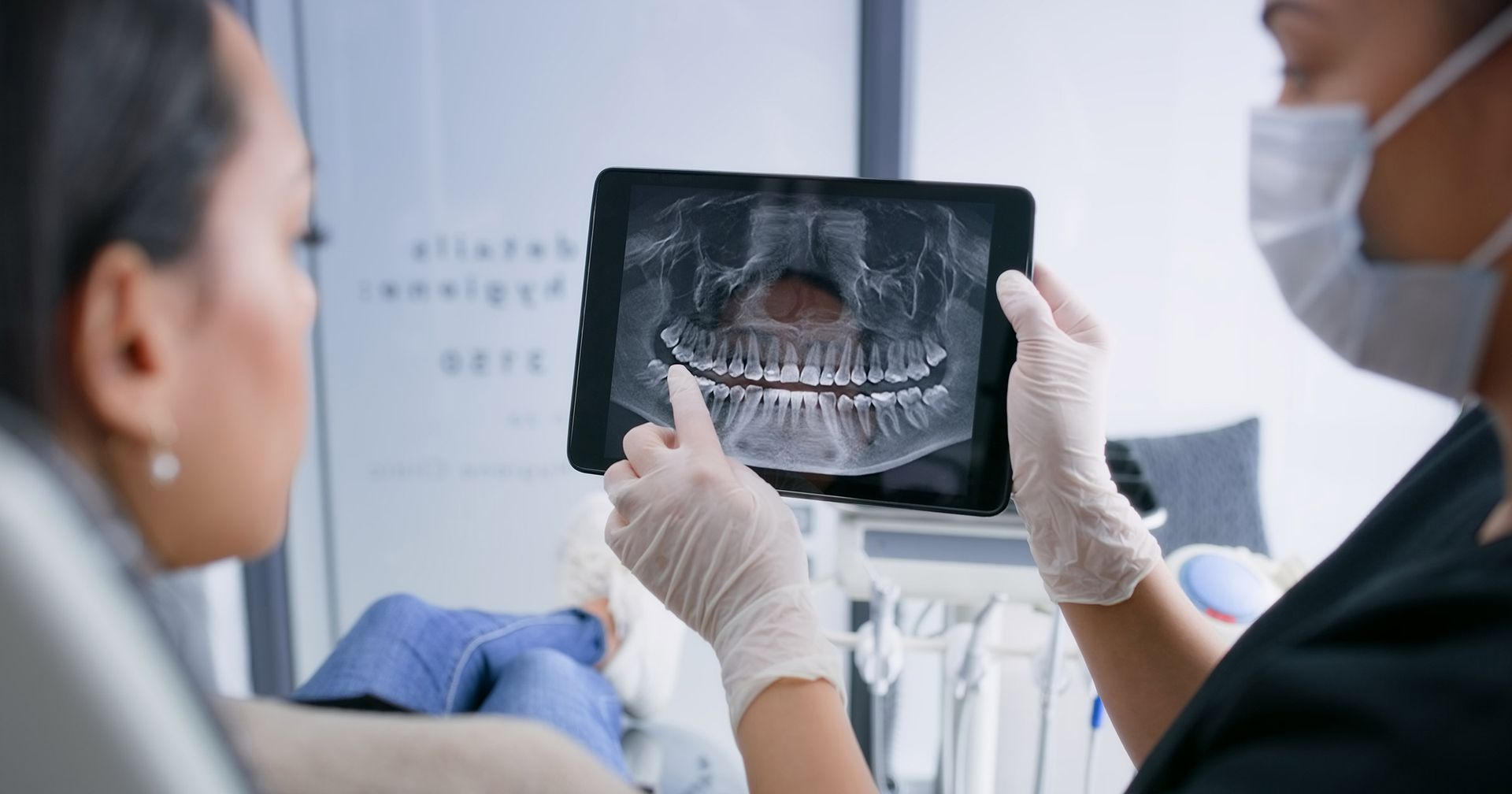
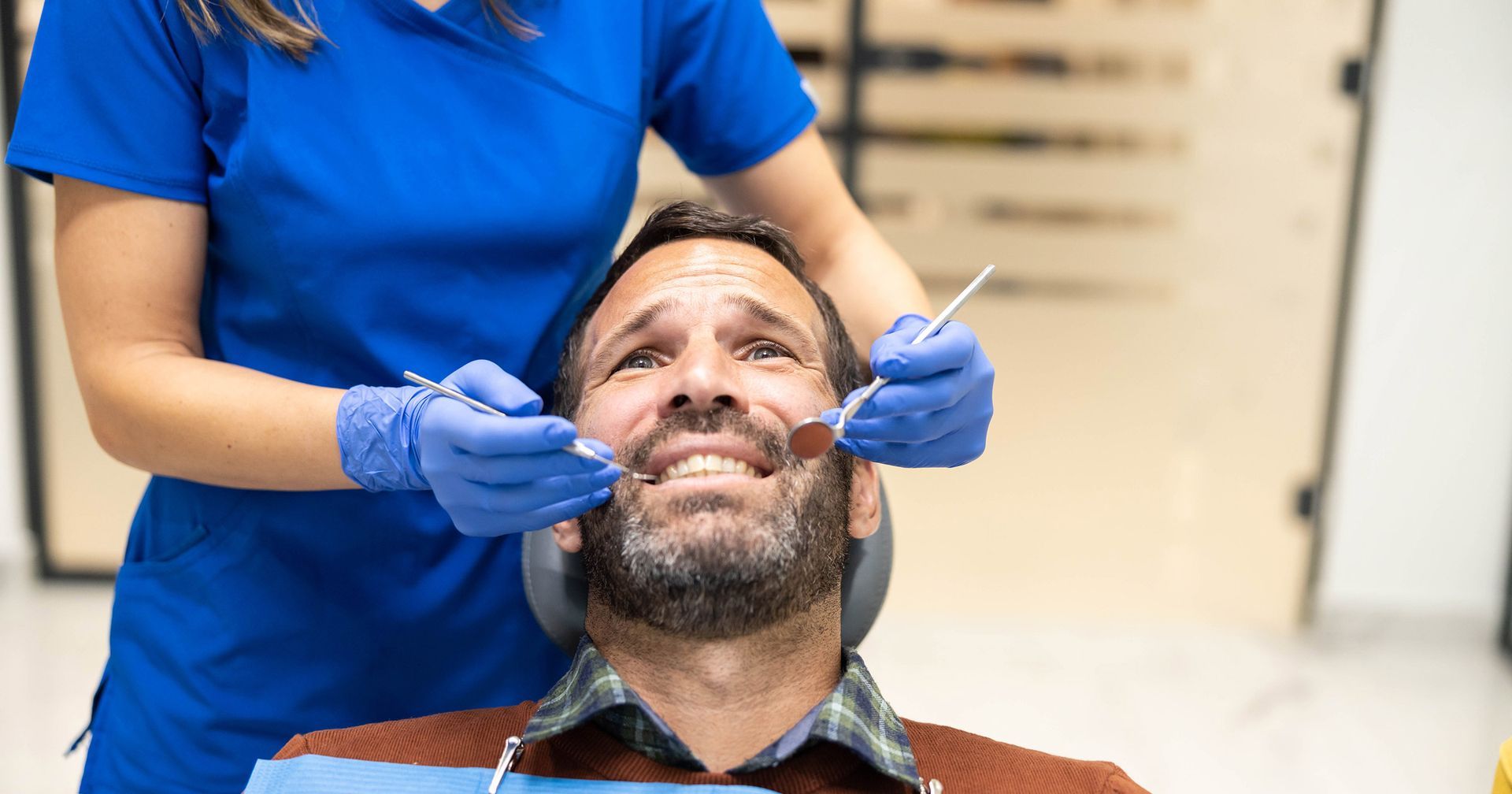
At the appointment, your dentist will typically have you bite a plastic wedge (a Tooth Slooth), shine a light through the tooth (transillumination), apply a staining dye, probe the gum for a narrow deep pocket, and take X-rays or a cone beam CT scan. The bite test is often more diagnostic than the imaging.
What Are the Actual Repair Options, Cheapest to Most Involved?
Repair Options: bonding, contouring, veneer, onlay, crown, root canal plus crown, extraction plus replacement, in that order of escalation.
Dental bonding: Composite resin sculpted onto a chip. One visit, typically 30 to 60 minutes, often without anesthesia. Best for small front-tooth chips. $250–$650 per tooth.
Contouring and polishing: Smoothing a rough edge and adjusting the bite so the tooth stops taking excess force. Sometimes this alone settles a symptomatic crack.
Veneers: A thin porcelain shell for a front tooth with a chip too large for bonding but with the core intact. Usually two visits, two to four weeks apart.
Onlay (partial crown): Covers a fractured cusp while keeping healthy tooth structure. Underused, and often the right answer for a back tooth where only one corner failed.
Full crown: A cap that holds the tooth together and stops the crack from flexing. This is the standard fix for a cracked molar. Two visits about two to three weeks apart with a temporary in between, or one visit at practices with same-day CEREC milling. $1,000–$2,000 per tooth before insurance.
Root canal plus crown: Needed when the crack reaches the pulp. The root canal is one to two visits; the crown follows.
Extraction and replacement: For split teeth and vertical root fractures. An implant pathway runs months, not weeks: extraction, healing, implant placement, healing, then the crown.
If you're in pain right now, our Emergency Dentistry page explains how same-day urgent visits work at our Hampton office.
What the Other Guides Don't Tell You: A Crowned Cracked Tooth Isn't Automatically Fixed
This is the honest part. Most articles end at "get a crown." But a crown stabilizes the tooth; it does not repair the crack, because a crack does not heal.
Some cracked teeth stay comfortable for years after a crown. Others develop pulp symptoms weeks or months later and go on to need a root canal anyway. And a small number reveal, once the crown is off or the crack propagates, that the fracture runs into the root, at which point the tooth is lost despite the money spent.
Studies of cracked tooth syndrome generally report good but not guaranteed survival after full-coverage restoration, with a meaningful minority of teeth later requiring endodontic treatment.
"I tell patients the crown is a splint, not an eraser. We're stopping the crack from flexing so it doesn't get worse. If the nerve was already irritated before we started, it may still declare itself later; that's not a failed crown, that's the crack finishing telling us how deep it went. Which is exactly why I'd rather see a tooth the week it starts hurting on release than the month it starts throbbing at night."
The practical takeaway: ask your dentist for the prognosis category, not just the treatment. Favorable, questionable, or hopeless changes whether you invest $1,500 in a crown or put that money toward an implant.
Does Insurance Cover a Cracked Tooth Repair?
Usually partially. Most PPO plans treat crowns and root canals as major services covered at around 50% after your deductible, subject to an annual maximum that is often $1,000–$2,000, which a single crown can consume. Bonding is sometimes covered as a restorative service, sometimes classed as cosmetic and denied. Many plans also apply a waiting period for major work on new policies. Ask the front desk to submit a pre-treatment estimate before you commit.
Can I Wait? What Happens If I Don't Treat It?
No, waiting reliably makes it more expensive. A crack that today needs a $1,200 crown can, over a few months of chewing, propagate into the pulp (adding a root canal) or into the root (removing the option to keep the tooth at all). Bacteria entering through the crack can produce an abscess, which can spread into the jaw and facial spaces.
Until you're seen: chew on the other side, avoid ice and hard candy, use a cold compress on the outside of the cheek for swelling, rinse with warm salt water, and take an over-the-counter NSAID if it's safe for you. Never put aspirin directly against the gum.
How Do I Keep It From Happening Again?
Nighttime grinding is the most common cause of cracked molars in adults, and it's the one thing patients can control. Your dentist may recommend a custom night guard, a bite adjustment, or an evaluation for TMJ-related clenching. If you or your kids play contact sports at Darling Stadium or in one of Hampton's rec leagues, a fitted mouthguard prevents far more repairs than it costs. Regular checkups catch craze lines before they become splits.
FAQs
Q.1 Can a cracked tooth heal on its own?
A: No. Unlike bone, tooth enamel and dentin have no capacity to regenerate, so a crack stays open permanently. Treatment doesn't repair the crack; it covers and stabilizes the tooth so chewing forces stop widening it. Prompt care, from bonding to a crown, is what preserves the tooth.
Q.2 Why does my cracked tooth hurt only sometimes?
A: A crack flexes open when you bite and snaps shut when you release, briefly irritating the pulp inside. That's why the sharp pain often comes on release rather than pressure, and why it may only appear with certain foods or angles. Intermittent pain is still a reason to be evaluated.
Q.3 Is a cracked tooth a dental emergency?
A: It depends on the symptoms. Swelling, fever, a loose fragment, bleeding, or pain that keeps you awake needs same-day attention. A painless chip can usually wait for a regular appointment. When unsure, call; a phone triage takes two minutes and costs nothing.
Cracked or Broken Tooth in Hampton? Don't Wait.
LeJeune Family Dentistry — 1130 Big Bethel Rd, Hampton, VA 23666, Call (757) 827-9114 — same-day appointments available when possible. Book Online Today.